Everest Region
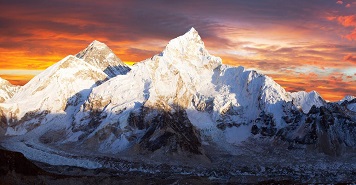
The Everest Region, also known as the Khumbu Region, is Nepal’s most famous trekking destination and home to the world’s highest mountain, Mount Everest (8,848.86 meters). Located in northeastern Nepal within Sagarmatha National Park, this region offers a powerful mix of extreme Himalayan landscapes, rich Sherpa culture, ancient monasteries, glaciers, high mountain passes, and legendary climbing history. For trekkers, the Everest Region is not just about standing at base camp — it is about walking through dramatic valleys, crossing high suspension bridges, listening to the sound of glacial rivers, and witnessing some of the tallest peaks on Earth rise directly above you.
The journey into the Everest Region typically begins with a mountain flight to Lukla, one of the most exciting airports in the world. From there, the trail follows the Dudh Koshi River, gradually ascending through forests of pine and rhododendron before reaching the vibrant trading town of Namche Bazaar. As altitude increases, the terrain becomes more rugged and alpine, revealing glaciers, icy rivers, and towering Himalayan giants like Lhotse, Ama Dablam, Nuptse, and many others. This is why the Everest Region is widely considered the most dramatic and rewarding trekking area in Nepal.
History of the Everest Region
The Everest Region has been home to the Sherpa people for over 500 years. The Sherpas migrated from eastern Tibet and settled in the high valleys of Khumbu, adapting to extreme altitude conditions. Their culture, language, clothing, festivals, and deep Buddhist traditions remain strong today.
The region gained global recognition in 1953 when Sir Edmund Hillary and Tenzing Norgay successfully summited Mount Everest for the first time. After that historic climb, the Everest Region became a symbol of human determination and high-altitude adventure.
In 1976, Sagarmatha National Park was established to protect the region’s unique ecosystem, and later it was declared a UNESCO World Heritage Site. Since then, trekking in the Everest Region has grown into a world-class adventure experience, attracting thousands of visitors every year.
Geography and Landscape of the Everest Region
The Everest Region lies within the Solukhumbu district of Nepal. It ranges from around 2,800 meters in Lukla to over 5,500 meters at Kala Patthar and beyond 8,000 meters at Everest’s summit.
Key geographical highlights include:
-
Khumbu Glacier – One of the highest glaciers in the world
-
Kala Patthar (5,545m) – Best viewpoint of Mount Everest
-
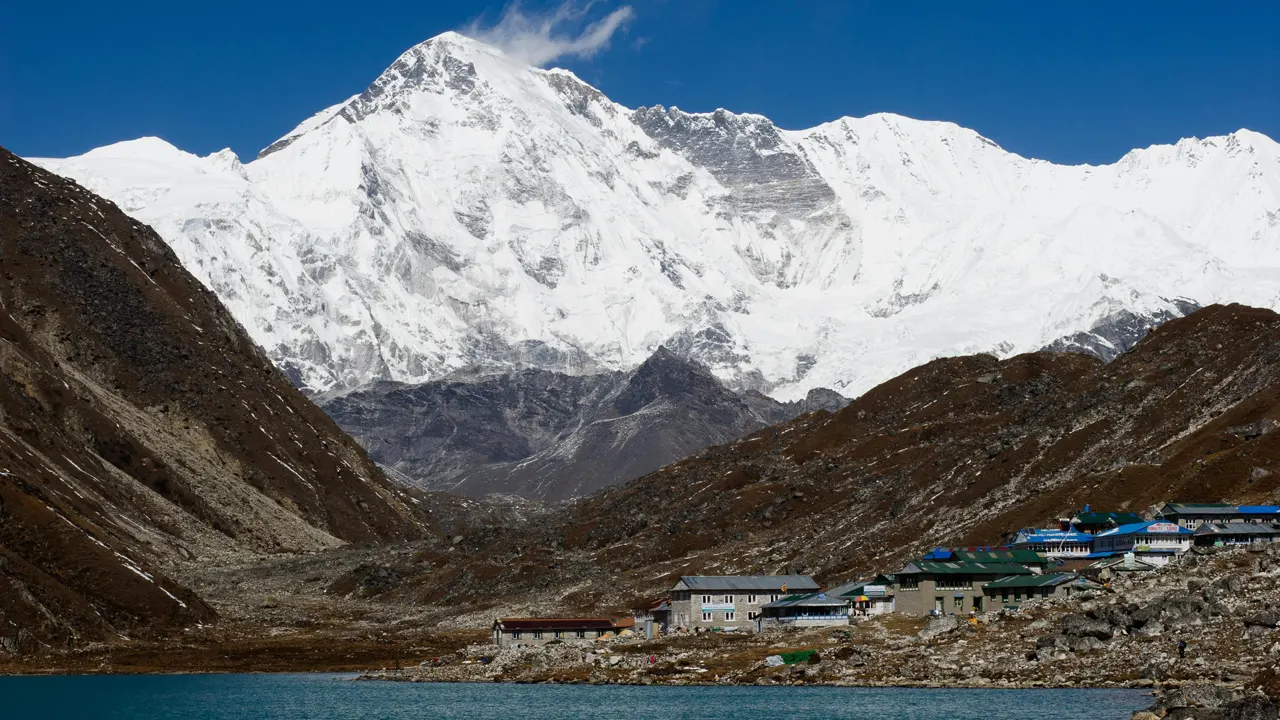
Gokyo Lakes – High-altitude turquoise lakes
-
Everest Base Camp (5,364m) – Starting point for climbers
-
Three High Passes (Kongma La, Cho La, Renjo La) – For experienced trekkers
The region features deep valleys, hanging glaciers, snow-covered peaks, rocky moraines, alpine meadows, and traditional stone villages. Every day on the trail offers changing landscapes and altitude variations.
Culture and Lifestyle in the Everest Region
The Everest Region is culturally rich, deeply influenced by Tibetan Buddhism. Monasteries like Tengboche Monastery play an important spiritual role in local life. Prayer flags, mani stones, chortens, and spinning prayer wheels are common along trekking trails.
The Sherpa community is globally respected for their mountaineering skills and hospitality. Agriculture, tourism, and mountaineering are the primary livelihoods in the region. Potatoes, barley, and yak herding are traditional practices still followed today.
Festivals like Mani Rimdu are celebrated with masked dances, prayers, and ceremonies, giving visitors insight into authentic Himalayan culture.
Popular Trekking Packages in the Everest Region
Here are the most famous trekking routes in the Everest Region:
1. Everest Base Camp Trek (12–14 Days)
The classic route leading to the foot of Mount Everest. Ideal for trekkers seeking iconic Himalayan views and cultural immersion.
2. Gokyo Lakes Trek (12–14 Days)
A quieter alternative to EBC, featuring turquoise glacial lakes and Gokyo Ri viewpoint.
3. Everest Three High Passes Trek (18–21 Days)
A challenging circuit crossing Kongma La, Cho La, and Renjo La passes. Perfect for experienced trekkers.
4. Everest View Trek (5–7 Days)
Short and moderate trek ideal for families and those with limited time.
5. Island Peak Climbing
Combination of Everest Base Camp trek with a 6,189m peak climbing experience.
Why the Everest Region is the Best Trekking Region in Nepal
There are many trekking regions in Nepal like Annapurna, Langtang, and Manaslu, but Everest stands out for several reasons:
1. Home of the World’s Highest Mountain
Nowhere else allows you to walk in the shadow of Mount Everest.
2. Strong Cultural Identity
The Sherpa culture is unique and deeply connected to Himalayan mountaineering history.
3. Dramatic Mountain Density
Within a few days of trekking, you see multiple 8,000-meter peaks.
4. Well-Developed Infrastructure
The region offers good teahouses, bakeries, Wi-Fi facilities, and medical posts compared to remote areas.
5. Global Recognition
Trekking in the Everest Region carries international prestige and lifelong achievement value.
Climate and Best Time to Visit
The best seasons to trek in the Everest Region are:
-
Spring (March–May) – Clear skies, moderate temperatures, blooming rhododendrons
-
Autumn (September–November) – Stable weather, excellent visibility
Winter (December–February) is colder but less crowded. Monsoon (June–August) brings rain and limited visibility.
Permits Required for Everest Region
Trekkers need:
-
Sagarmatha National Park Entry Permit
-
Khumbu Pasang Lhamu Rural Municipality Permit
These permits help conserve the region and support local communities.
Accommodation and Food
The Everest Region operates mostly on a teahouse system. Lodges provide:
-
Twin-sharing rooms
-
Common dining halls with heating
-
Local and international meals (Dal Bhat, pasta, noodles, soups, pancakes)
-
Basic but comfortable facilities
As altitude increases, facilities become simpler but remain adequate for trekkers.
Altitude and Safety
Altitude sickness is a major factor above 3,000 meters. Proper acclimatization, hydration, and gradual ascent are essential. Most itineraries include rest days in Namche and Dingboche to help trekkers adapt.
Emergency evacuation by helicopter is available if required.
Shalom Adventure Holidays – Our Specialty in the Everest Region
At Shalom Adventure Holidays, we focus on:
-
Small group sizes for personalized service
-
Experienced Sherpa guides with deep local knowledge
-
Carefully designed acclimatization schedules
-
Transparent pricing with no hidden costs
-
24/7 support before and during the trek
-
Strong focus on safety and cultural respect
Our team understands the Everest Region not just as a destination, but as a living Himalayan homeland. We ensure every traveler experiences both the adventure and the cultural depth of this region.